
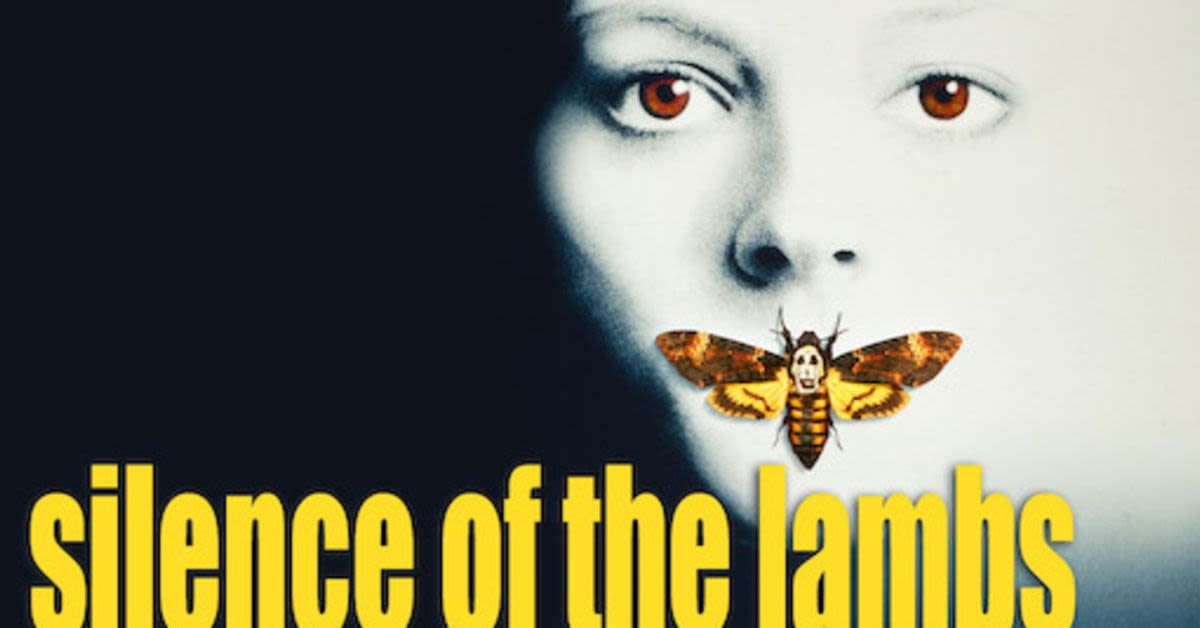
The Silence of the Lambs, a film that once stunned audiences with its chilling brilliance and swept the Academy Awards, is now being dragged into the culture wars by one of its own stars.
According to RedState, actor Ted Levine, who delivered a memorably disturbing performance as serial killer Buffalo Bill, is now publicly distancing himself from the role that defined his career, suggesting it may be offensive to contemporary sensibilities and harmful to the transgender community.
The 1991 thriller, which dominated the Oscars with wins for Best Picture, Best Director (Jonathan Demme), Best Actor (Anthony Hopkins), Best Actress (Jodie Foster), and Best Adapted Screenplay (Ted Tally), has long been regarded as a landmark in American cinema. Yet in todays climate of hyper-sensitivity and identity politics, even a three-and-a-half-decade-old classic is apparently not safe from retroactive moral scrutiny.
Only two other films in history have matched its sweep of the major categories: 1975s One Flew Over the Cuckoos Nest and 1934s It Happened One Night. That rarefied status, however, has not stopped Levine from second-guessing the project that helped cement the films place in Hollywood history. "There are certain aspects of the movie that dont hold up too well," Levine told The Hollywood Reporter, echoing the language of modern cultural gatekeepers who judge past art by todays ideological fashions. The focus of the criticism is his character, Buffalo Bill also known as Jame Gumb who has for years been denounced by transgender activists as a harmful stereotype.
Buffalo Bill is portrayed as a serial killer who murders women and skins them in order to fashion a suit from their flesh. Although the film never explicitly defines his sexual orientation, activists and some critics have long insisted he is coded as transgender or gender-nonconforming, and therefore allegedly contributes to negative perceptions of trans-identifying individuals. When the film was released, however, most viewers were not walking out of theaters wringing their hands over gender politics. They were shaken by the sheer horror of the characters Buffalo Bill and Hannibal Lecter alike and by the unsettling reminder that there are, in fact, profoundly disturbed people in the world.
Our sister site Twitchy wasnt impressed with the new wave of outrage, highlighting the absurdity with the headline: Bad News: The Silence of the Lambs Has Been Canceled. The idea that audiences in 1991 were secretly absorbing anti-trans messaging is a projection of todays obsessions onto a very different era. The filmmakers themselves, working 35 years ago, were not crafting a lecture on gender identity; they were adapting a crime novel about evil and madness. Levine even concedes that point when he reflects on his own performance. Despite that [his newfound criticisms], Levine said about his performance as Buffalo Bill: "I didnt play him as being gay or trans. I think he was just a f------up heterosexual man. Thats what I was doing."
Demmes producing partner, Edward Saxon, underscored that the creative team was faithful to Thomas Harriss source material rather than any ideological agenda. Saxon told the outlet: "We were really loyal to the book. As we made the film, there was just no question in our minds that Buffalo Bill was a completely aberrant personality that he wasnt gay or trans." The narrative itself goes out of its way to make that distinction clear. The book and the movie explicitly state that Billy is not transgender and that he was rejected by multiple medical professionals for sex-change surgery because he did not meet the diagnostic criteria for gender dysphoria.
Jodie Fosters character, FBI agent Clarice Starling, spells it out plainly when she says, Billy is not a real transsexual, but he thinks he is. Hannibal Lecter, the films other iconic monster, further explains that Billys psychosis stems from a pathological hatred of himself not from any question of gender identity. Those clarifications, however, appear irrelevant to Levine in his current posture. "Its unfortunate that the film vilified that [transgenderism], and its f------- wrong. And you can quote me on that."
The irony is that no one is demanding similar identity-based protections for other groups depicted in the film. The twisted murderer Hannibal Lecter was not transgender or gender confused; he was a white man as are millions of law-abiding citizens who do not see themselves vilified by his existence on screen. As the writer notes, He was a white guy. I am a white guy. Should I be deeply offended? Will Variety and The Hollywood Reporter write about my story? I dont think so. The selective outrage reveals less about the film and more about a media ecosystem eager to chase fashionable grievances.
Holding decades-old works of art hostage to the shifting dogmas of a certifiably insane cultural moment is a recipe for erasing much of our artistic heritage. The Silence of the Lambs was released on February 14, 1991 35 years ago and it remains a powerful, unsettling exploration of evil, not a policy brief on gender theory.
Levines sudden discomfort with the role that made him famous looks less like moral clarity and more like an attempt to curry favor with a woke Hollywood establishment that rewards public contrition and ideological conformity. Rather than rewriting the past to appease activists, a healthier culture would recognize the difference between portraying depravity and endorsing it and allow classic films to stand as products of their time, not casualties of our current political neuroses.
Login