
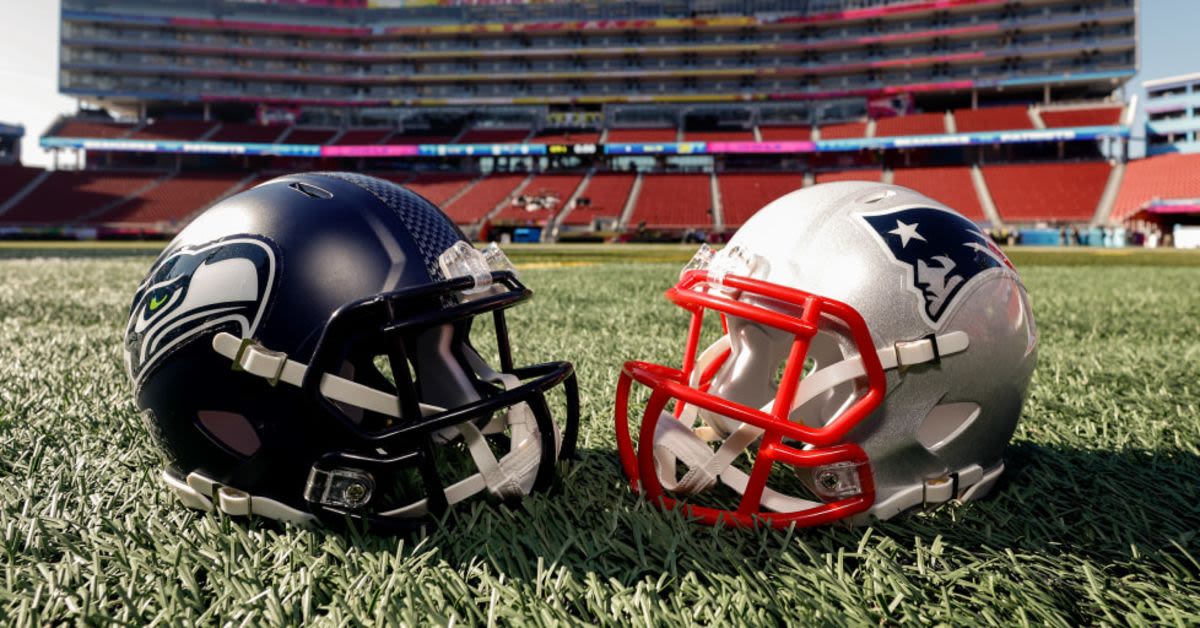
Despite massive viewership and a heavily promoted halftime spectacle, this years Super Bowl and its featured performer, Bad Bunny, failed to topple existing audience records for Americas biggest television event.
Seattles 29-13 win over New England drew an average of 124.9 million viewers across NBC, Peacock, Telemundo, NBC Sports Digital, and NFL+, according to Nielsens Big Data + Panel system. As reported by One America News, that figure fell short of the 127.7 million Americans who tuned in on Fox last year to watch Philadelphia defeat Kansas City 40-22.
Even so, Super Bowl 60 now stands as the most-watched program in NBCs century-long history, a milestone the network is touting as it marks its 100th anniversary. The games halftime performance by Bad Bunny averaged 128.2 million viewers between 8:15 and 8:30 p.m. Eastern, placing it fourth all-time behind Kendrick Lamars 133.5 million in 2025, Michael Jacksons 133.4 million in 1993, and Ushers 129.3 million in 2024.
The broadcasts audience crested at 137.8 million viewers during the second quarter, between 7:45 and 8 p.m. Eastern, setting a new record for peak Super Bowl viewership. That narrowly edged the previous high of 137.7 million, also recorded in the second quarter of last years matchup.
This years numbers halted a four-year run of steady Super Bowl audience growth, a reminder that even the NFLs juggernaut has limits. Still, it marked the fifth consecutive year the championship game has averaged more than 100 million viewers, underscoring the leagues continued dominance in an increasingly fragmented media landscape.
On the field, the product has been less compelling of late, a factor conservatives often point to when arguing that politicized entertainment and league activism distract from the game itself. After three straight Super Bowls that went down to the wire, the last two contests have lacked drama, with Sundays matchup becoming only the second in Super Bowl history in which no touchdown was scored in the first three quarters as Seattle carried a 12-0 lead into the final period.
Last years game was similarly anticlimactic, effectively decided by halftime as Philadelphia raced to a 24-0 advantage on its way to a 40-22 victory. That kind of one-sided play raises questions about whether the leagues emphasis on spectacle and global branding is overshadowing the core competitive product that built its audience in the first place.
Outside the official broadcast, Turning Point USAs alternative halftime show featuring Kid Rock offered a stark cultural counterpoint to the NFLs chosen entertainment. That performance peaked at 5 million concurrent viewers at one point on YouTube, a notable figure for a conservative, online-only production that received no help from the leagues promotional machine.
Nielsen did not count any of the YouTube livestream audience for the Turning Point USA show, and among the linear channels that carried it, only broadcast network Charge! falls under Nielsens measurement. Full Nielsen ratings for the prior week are expected to be released on Wednesday, which may provide additional clarity on how much traditional television is losing ground to digital alternatives.
According to YouTubes publicly available metrics, the Turning Point USA halftime show had amassed 21,208,583 views through Tuesday night, according to the conservative organizations page. By comparison, Bad Bunnys official halftime performance had already drawn 61,311,972 views, reflecting the NFLs global marketing reach and the entertainment industrys heavy tilt toward progressive-aligned pop culture.
On social media, Bad Bunnys show set a new benchmark, with total consumption hitting 4 billion views within the first 24 hours, according to the NFL and Ripple Analytics. That represents a staggering 137% increase over last year, driven by a strategy that leans heavily on viral clips, influencer amplification, and international engagement rather than traditional American family viewing.
Those social figures include traffic from fans, league-owned platforms, broadcast partners, and influencers, illustrating how the NFL now relies on a sprawling digital ecosystem to sustain its cultural footprint. The league also reported that more than 55% of all social views came from international markets, a data point that may please globalist marketers but raises the question of whether the NFL is slowly diluting its uniquely American character in pursuit of overseas audiences.
Full global television viewership for the halftime show is expected early next week, which will further illuminate how much of the events reach now lies beyond U.S. borders. On the Spanish-language side, Telemundo averaged 3.3 million viewers, making this the most-watched Super Bowl Spanish broadcast in the United States since such coverage began in 2014.
Telemundos audience peaked during the halftime show, averaging 4.8 million viewers and setting a record for the most-watched Super Bowl halftime in Spanish-language history. That surge underscores how the leagues entertainment choices and outreach strategies are increasingly calibrated toward demographic and international growth, even as some traditional viewers express fatigue with the direction of the product.
NBC also leveraged the Super Bowl to boost its Winter Olympics coverage, airing its Primetime in Milan show featuring womens downhill and team figure skating immediately afterward. That broadcast averaged 42 million viewers, the networks largest Winter Olympics audience since Day 2 of the 2014 Sochi Games, and represented a 73% increase over the postSuper Bowl 56 Olympics show, which drew 24.3 million.
Network executives were quick to celebrate the synergy between the NFL and the Olympics, two properties that command enormous advertising dollars and corporate sponsorships. The Super Bowl and the NFL once again delivered a blockbuster audience across the NBC broadcast network, Peacock and Telemundo, and provided an unprecedented lead-in to our Primetime in Milan coverage, NBC Sports President Rick Cordella said in a statement, adding, The Super Bowl and the Olympics are the two most powerful events in the world, and we salute our talented production, tech and announce teams who delivered best-in-class presentations for our viewers, stations and partners.
Beyond the championship game, the NFLs postseason remains a ratings powerhouse, with the playoffs averaging 37 million viewers over the first three weekends. That figure is up 5% from last year and ranks as the second-highest playoff average in the past decade, reinforcing the leagues status as the most reliable draw in American television.
The regular season also delivered robust numbers, averaging 18.7 million viewers, the second-highest mark since audience tracking began in 1988 and a 10% increase over last year. For conservatives who see professional football as one of the last shared cultural experiences in a divided nation, the data suggest that, despite concerns over politicization and shifting values,
Americans still turn out in enormous numbers when the game on the field is allowed to speak louder than the messaging that surrounds it.
Login