
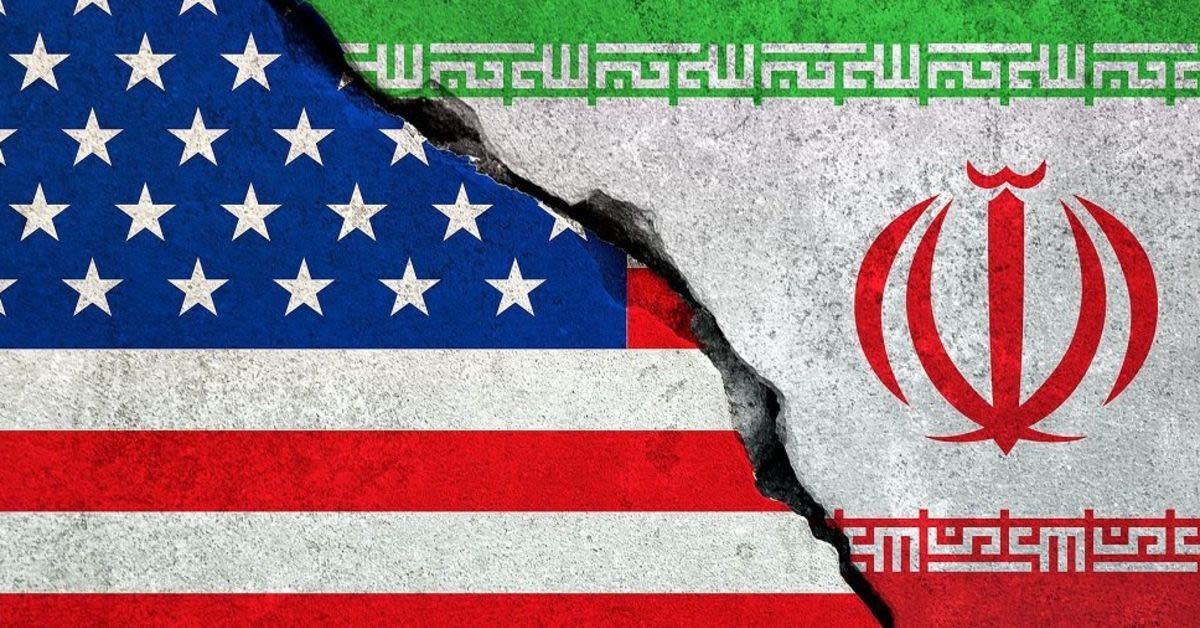
Nuclear negotiations between the United States and Iran have hit fresh turbulence, as Secretary of State Marco Rubio cautions that he is "not sure you can reach a deal" with the hardline regime in Tehran.
The latest round of talks briefly collapsed on Wednesday when the U.S. delegation walked out after Iran attempted to shift the venue from Istanbul to Oman, according to the Washington Free Beacon. American officials ultimately agreed to rejoin the process at the urging of Arab partners, underscoring how regional allieswho live under the shadow of Iranian aggressionare pressing Washington to at least test Tehrans willingness to talk.
"They asked us to keep the meeting and listen to what the Iranians have to say. We have told the Arabs that we will do the meeting if they insist. But we are very skeptical," one U.S. official told Axios. The negotiations are now scheduled to resume Friday in Oman, though expectations inside the administration appear decidedly low.
Speaking at a press conference Wednesday, Rubio signaled that the United States remains open to diplomacy but will not chase Tehran at any cost. "If the Iranians want to meet, were ready," Rubio said. "Theyve expressed an interest in meeting and talking."
"If they change their mind, were fine with that too," he added. "We prefer to meet and talk. Im not sure you can reach a deal with these guys, but were going to try to find out." His remarks reflect a growing recognition among many conservatives that engagement with Iran has too often rewarded bad behavior rather than curbed it.
The diplomatic friction follows a sharp escalation at sea, where Iran dispatched gunboats to harass a U.S.-flagged tanker in the Strait of Hormuz just one day earlier. Hours before that incident, an Iranian drone approached the USS Abraham Lincoln in the Arabian Sea, prompting an American fighter jet to shoot it down in a clear message that U.S. forces will not tolerate provocations.
Washington has responded with a sustained military buildup in the region, signaling deterrence rather than appeasement. The Abraham Lincoln carrier strike group arrived last month, as President Donald Trump warned of an "armada" moving toward Iran.
"Like with Venezuela," Trump wrote, "it is ready, willing, and able to rapidly fulfill its mission, with speed and violence, if necessary." Trump said that Iran must "quickly Come to the Table and negotiate a fair and equitable deal," noting that he repeatedly warned Iran to negotiate before he bombed their nuclear sites last summer.
"They didnt, and there was Operation Midnight Hammer, a major destruction of Iran. The next attack will be far worse! Dont make that happen again," he wrote. For an administration determined to restore American strength abroad after years of accommodation, the message to Tehran is unmistakable: talk on fair terms, or face the consequences of continued aggression.
Login