
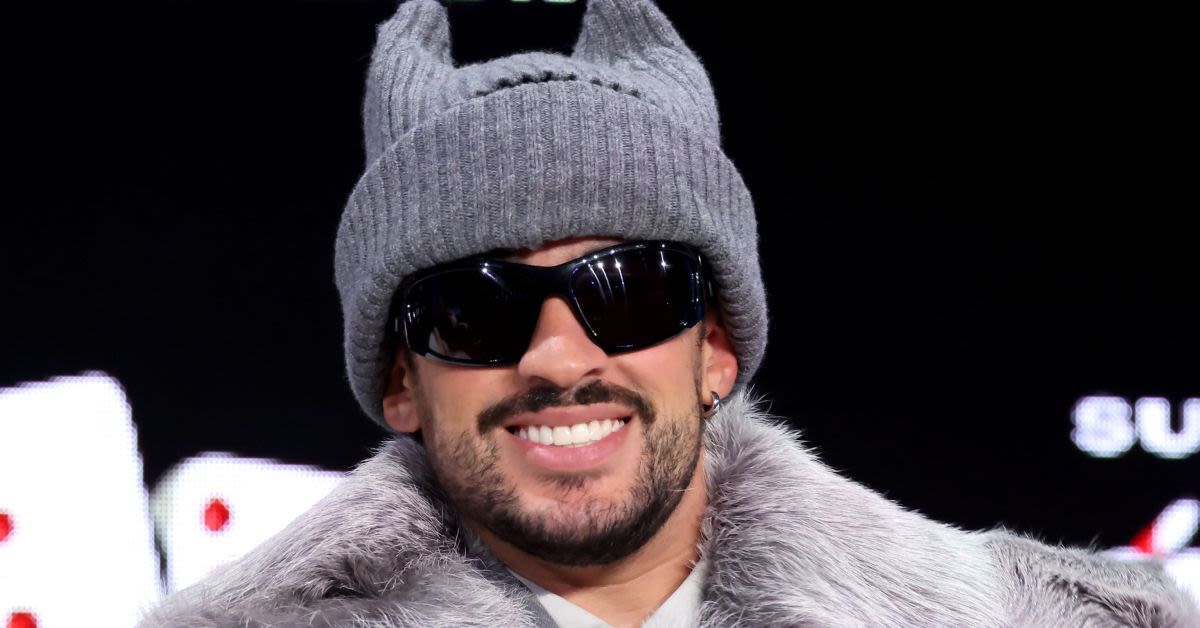
The NFLs decision to feature Latin music star Bad Bunny as the headline act for the Super Bowl LX halftime show has ignited yet another cultural skirmish over politics, pop culture and the leagues uneasy relationship with its own fan base.
According to Western Journal, the leagues choice of the Puerto Rican performer for its marquee event has drawn both effusive praise and sharp criticism, reflecting a broader divide over what Americans expect from their most-watched sporting spectacle. Supporters insist that Bad Bunnys global reach makes him an obvious selection, while detractors point to his outspoken left-wing politics including his anti-Immigration and Customs Enforcement stance as evidence that he is unfit for an American halftime show.
The debate has raged across social media, sports talk shows and entertainment outlets, but one group appears notably indifferent to the controversy: the players themselves. In a viral video posted by independent sports reporter Cayden Kubler, a series of NFL players were asked a simple question during Super Bowl media events: Whats your favorite Bad Bunny song?
The results were awkward at best and embarrassing at worst for the league and the artists defenders. Player after player struggled to answer, and it wasnt until the very end of the clip that a single NFL player could even name a single Bad Bunny song and it happened to be one of the artists most popular songs.
That is not the best look for the NFL or Bad Bunny supporters. These are men largely in their 20s and 30s, the very demographic that is supposed to be plugged into the latest cultural and musical trends, especially given how ubiquitous headphones and pregame playlists have become in modern sports.
Kublers video was not an isolated incident, either. Sports Illustrated also attempted a similar video and got remarkably similar results, suggesting that the disconnect between the leagues marketing narrative and the actual listening habits of its players may be wider than the NFL would like to admit.
Language is another complicating factor that the leagues executives seem eager to downplay. It almost certainly doesnt help matters that Bad Bunny sings nearly exclusively in Spanish, a reality that may limit his resonance with a broad swath of the American audience that tunes in for the Super Bowl more for the spectacle than for a foreign-language concert.
Yet even if every lyric were in English, critics argue that the core problem is not linguistic but ideological. From loudly joining anti-ICE sentiments at the Grammy Awards to pushing leftism to even publicly refusing to stand for America, Bad Bunny has made no qualms about where he stands on the ideological spectrum.
And its clear that, based on where he stands, he doesnt have much love if any for about half of America. For a league that depends on a massive, politically diverse fan base, elevating a performer so closely associated with progressive activism risks alienating millions of viewers who simply want football, not lectures.
Whether this will materially affect viewership for Super Bowl LX remains an open question. Will this matter for Super Bowl LX, an event that will likely be the most-viewed television event of the year? If were being honest, given how much of a national event the Super Bowl has become, probably not.
Still, the NFL has no shortage of cautionary examples when it comes to mixing sports and progressive politics. The NFL would do well to use its cousin, the NBA, as a cautionary tale, given how that league became overtly conscious of social justice initiatives during the COVID-19 pandemic and the aftermath of George Floyds death.
And the league really hasnt recovered in terms of overall popularity since. As the original report notes, Yes, theres obviously much more that factors into the NBAs decline than what they did five years ago, but its undeniably a factor, and one that should give NFL leadership pause before it doubles down on politicized entertainment.
The NFL itself is still nursing scars from its own foray into divisive symbolism. The league has barely recovered from its own brush with divisive politics when then-San Francisco 49ers quarterback Colin Kaepernick began kneeling for the national anthem in 2016 and must surely be aware of what this Bad Bunny performance could lead to.
For a sport that markets itself as a unifying national ritual, the choice to spotlight a performer who has publicly refus[ed] to stand for America and embraced anti-ICE rhetoric looks less like savvy branding and more like a calculated gamble on progressive cultural tastes. That all being said, whatever ends up happening with Bad Bunnys Super Bowl halftime show, one thing is clear: NFL players probably wont be singing along.
Login