
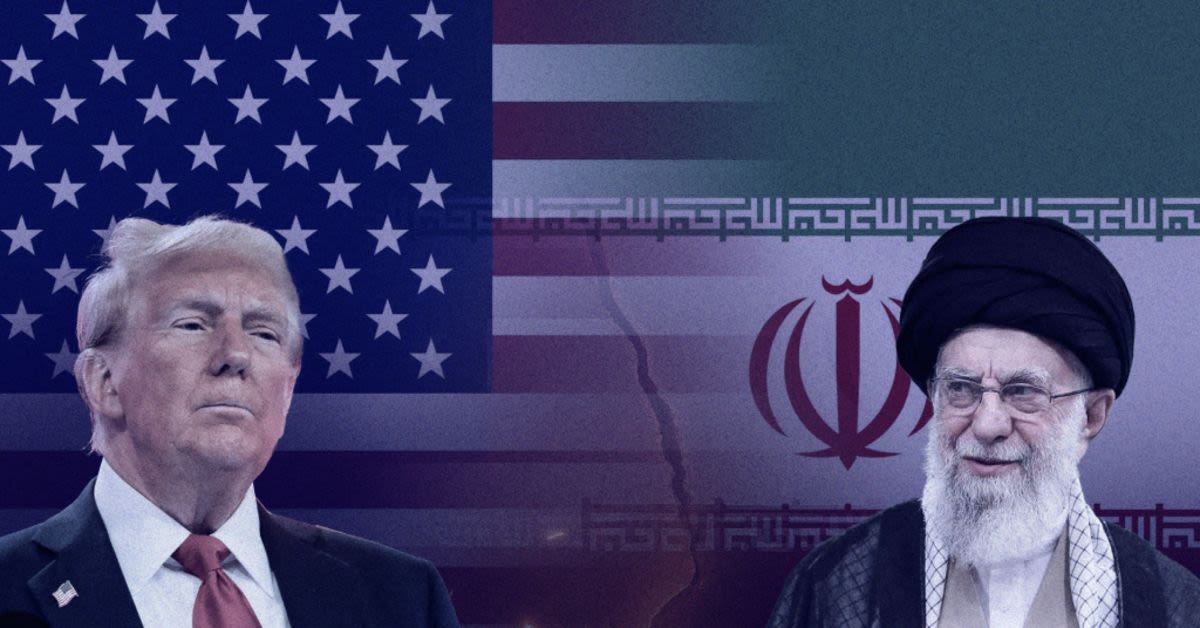
Talks between Iran and the United States are expected to resume Friday in Oman, even as Tehran faces mounting international outrage over a brutal internal crackdown and escalating military provocations in the Persian Gulf.
According to The Washington Times, Iranian outlets including the semiofficial ISNA and Tasnim news agencies, as well as the Student News Network, reported that the latest round of discussions will be held in the Gulf sultanate, which has long served as a discreet back channel between Washington and Tehran. Omani officials have yet to publicly confirm the meeting, and the Biden administration has not formally acknowledged that talks in Oman are imminent, though the White House has conceded it expects negotiations to move forward despite rising tensions.
Those tensions surged this week after the U.S. military shot down an Iranian drone that approached an American aircraft carrier and reported that fast boats from Irans Islamic Revolutionary Guard Corps attempted to intercept a U.S.-flagged commercial vessel in the Strait of Hormuz. Iran has not immediately acknowledged either incident, a familiar pattern in which the regime tests Western resolve while avoiding direct accountability before international audiences.
The prospective talks come as Irans rulers intensify a sweeping campaign of repression at home, aimed at crushing nationwide protests that erupted last month against the theocratic regime. Activists with the U.S.-based Human Rights Activists News Agency, which has a track record of accuracy in previous unrest, said that at least 50,834 people have been arrested in connection with the crackdown, and that the security forces response has killed at least 6,876 people, with fears that the true toll may be far higher.
Independent verification of those casualty figures remains difficult, as the Associated Press has been unable to confirm the numbers amid a severe, government-imposed internet blackout across Iran. The blackout underscores how the regime relies on censorship and information control to shield its abuses from global scrutiny while it simultaneously seeks diplomatic concessions from Western powers.
In a notable shift in tone, Irans reformist President Masoud Pezeshkian announced Tuesday that he had ordered his foreign minister to pursue fair and equitable negotiations with Washington, the clearest public indication yet that Tehran is prepared to re-engage in talks. That statement, coming on the heels of the drone shoot-down and maritime harassment, suggests Iran is attempting to leverage brinkmanship at sea while presenting a more conciliatory face at the negotiating table.
The White House, for its part, appears determined to keep diplomatic channels open despite the regimes behavior. Press secretary Karoline Leavitt said U.S. special envoy Steve Witkoff has been preparing to meet Iranian officials in Turkey later this week, signaling that Washington is willing to explore multiple venues for engagement even as Irans security forces continue their bloody repression at home.
President Donald Trump, who has long advocated a tougher line on Tehran, has indicated that the United States may need to consider the use of force if Irans crackdown and regional aggression continue unchecked, while still pressing for a deal to curb its nuclear ambitions. Trump is always wanting to pursue diplomacy first, but obviously it takes two to tango, Leavitt said, adding, You need a willing partner to achieve diplomacy and thats something that special envoy Witkoff is intent on exploring and discussing.
Any move toward renewed talks almost certainly carries the blessing of Supreme Leader Ayatollah Ali Khamenei, who holds ultimate authority over all state matters and previously rejected negotiations outright. The apparent reversal by the 86-year-old cleric suggests that sanctions pressure, domestic unrest, and military vulnerability may be forcing the regime to seek relief at the bargaining table, even as it clings to its hardline ideology.
In a parallel show of strength aimed at both domestic and foreign audiences, senior Iranian commanders on Wednesday toured a missile base to underscore the countrys military readiness following a 12-day war with Israel in June that severely damaged Irans air defenses. State media announced that footage of the visit, featuring the Khorramshahr missile with a range of more than 2,000 kilometers (1,250 miles) and previously launched toward Israel during the conflict, would be broadcast nationwide, highlighting a regime that brandishes its arsenal abroad while jailing and killing its own citizens at home.
Login