
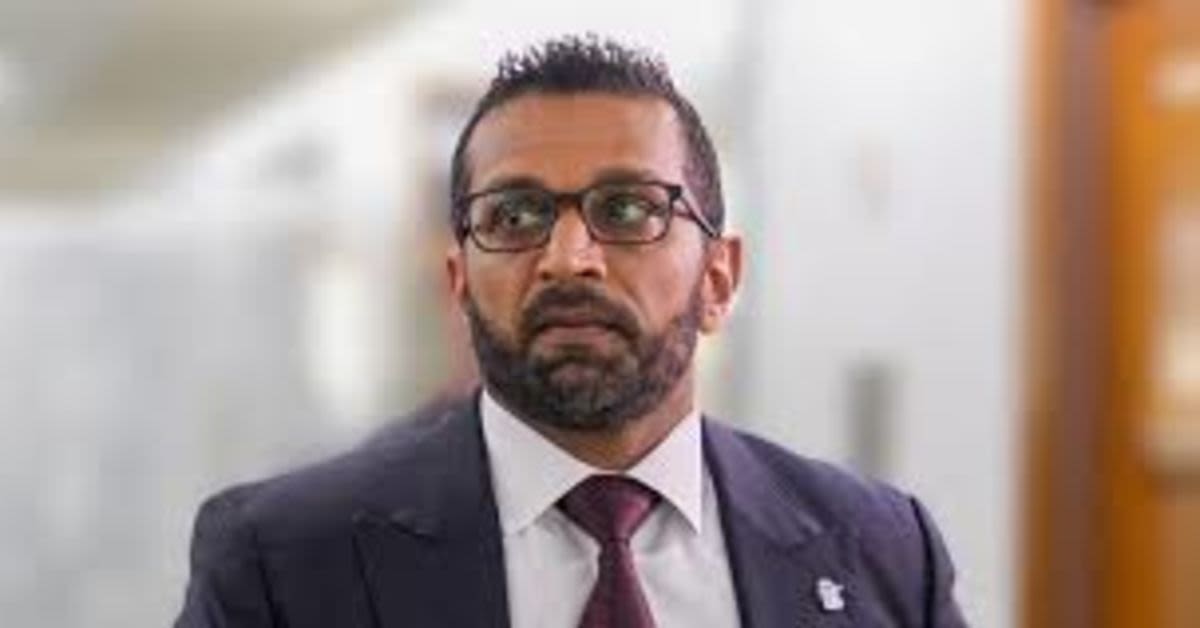
Fox News anchor Bret Baier sharply pressed FBI Director Kash Patel this week over the bureaus continued refusal to provide basic information about the man who shot President Donald Trump during the 2024 campaign.
According to Mediaite, Patel appeared on Baiers program Tuesday to discuss the FBIs role in several high-profile investigations, but the conversation quickly turned to the still-murky case of Thomas Matthew Crooks, the 20-year-old from Pennsylvania who opened fire on President Trump at a 2024 rally in Butler, Pennsylvania.
Baier aired a clip from an interview he conducted with Patel in 2025, in which the director had pledged greater transparency about the would-be assassin. We dont feel that the American people have been given the information they need on that, and were digging through the files and getting a more robust picture of what happened, Patel said in the earlier exchange.
Baier noted that, despite that promise, the public still appears to know little more today than it did in the immediate aftermath of the attack. So that was May 2025. I mean, I dont think we, the public, have a more robust picture of that shooter, Baier said, voicing a frustration widely shared among conservatives who see a double standard in how federal law enforcement handles politically sensitive cases. Patel pushed back, insisting the bureau has already gone as far as it can. Well, I think thats an unfair supposition. We, the FBI, have put out all the information that we possibly and legally can, while protecting any ongoing matters that are unrelated to him, he replied.
Baier then underscored what many Americans view as a glaring inconsistency in the FBIs secrecy. But hes dead, Baier shot back, questioning why basic details about a deceased suspect remain shielded from public view. Patel acknowledged the point but retreated to bureaucratic language about process and legal constraints. Well, yes. Hes very much dead but at the same time, Bret, we at the FBI have to follow the parameters of our investigation and what the law allows us to release, he said.
The Fox News host pressed further, raising specific questions that, more than a year later, still lack clear answers. I get it. But, you know, where were the cell phones? Why dont we know who he was talking to? You know, what exactly happened? I feel like we havent gotten the whole picture about Butler even now, Baier said, echoing concerns about potential political motives or accomplices that have never been fully explored in public.
Patel responded by touting document production to Congress rather than directly addressing those gaps. But heres the thing, Bret. We can provide, and just an example here, weve provided 40,000 pages of documents to congress. Thats a 400% increase from the prior two directors. We will continue to provide this information with our partners on Capitol Hill when were legally able. Its never going to be enough for everyone. Its never going to be enough. But what were saying is, were not saying trust us, were saying we did an exhaustive search of that, we presented that information to the Department of Justice, and the decision was made on what to release, Patel argued.
Baier remained unconvinced, returning to Patels earlier assurance that the bureau would disclose everything it could about the Butler shooter. Yeah but ok. You said youd, wed put out everything we could. Do you think everything has been put out about TKTKT the shooter, alleged shooter in Butler, Baier asked, reflecting a broader conservative skepticism toward the FBIs handling of politically charged cases.
Patel insisted the bureau has reached the legal limit of what it can share. Everything. Whether its [Jeffrey] Epstein or Charlie Kirk or its this shooter in Butler, we always put out what the law permits us to put out, he said, a response likely to do little to reassure Americans who believe that when the target is President Trump, transparency from federal law enforcement remains the exception, not the rule.
Login