
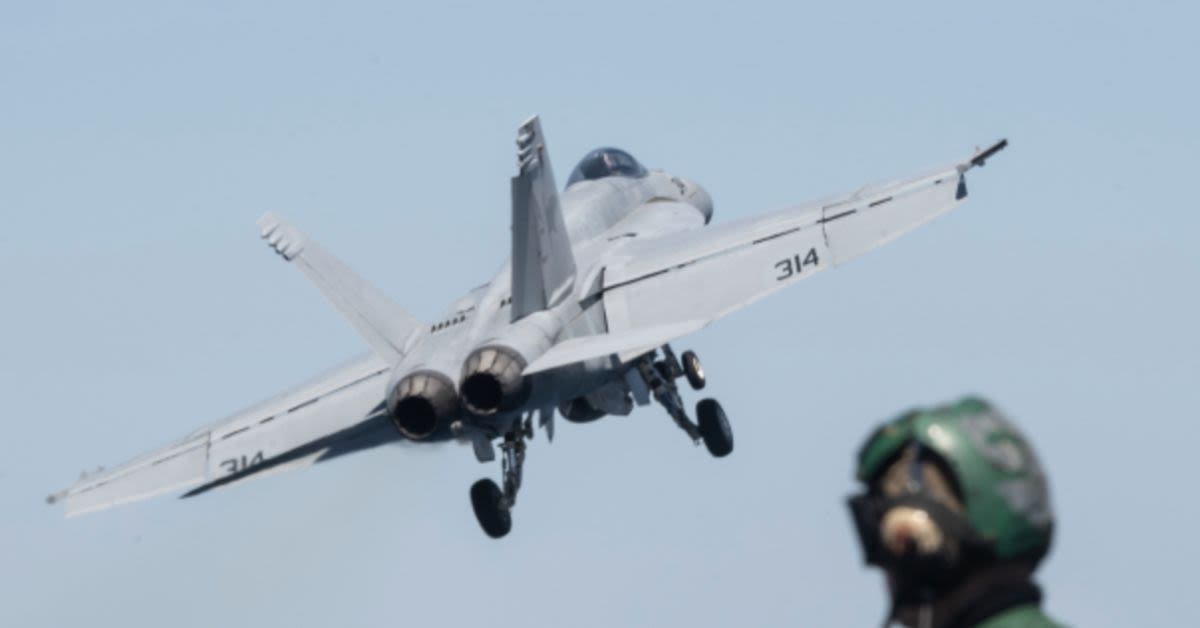
The U.S. military is quietly signaling that it is prepared to project overwhelming airpower into one of the worlds most volatile regions, even as tensions with the Islamist regime in Tehran continue to escalate.
U.S. Central Command (CENTCOM) announced that the Ninth Air Force will carry out a multi-day readiness exercise in the Middle East designed to demonstrate the ability to deploy, disperse, and sustain combat airpower. According to Breitbart, the drill comes as Washington and Iran exchange increasingly hostile warnings, raising the prospect that these forces could soon be called upon to operate in or around Iranian airspace.
CENTCOMs public statement avoided naming Iran directly, instead framing the exercise as a means to strengthen regional partnerships and prepare for flexible response execution. The command emphasized that the operation is intended to refine the U.S. ability to move quickly, operate from dispersed locations, and maintain pressure across a vast theater.
It will serve as a way for AFCENT (Air Force Central) to validate procedures for rapid movement of personnel and aircraft; dispersed operations at contingency locations; logistics sustainment with a minimal footprint; and integrated, multi-national command and control over a large area of operations, the announcement said. In other words, American air assets are being trained to fight from multiple forward positions, complicating any adversarys efforts to target U.S. forces or degrade their capabilities.
Our Airmen are proving they can disperse, operate, and generate combat sorties under demanding conditions safely, precisely, and alongside our partners. This is about upholding our commitment to maintaining combat-ready Airmen and the disciplined execution required to keep airpower available when and where its needed, said AFCENT commander Lt. Gen. Derek France. His comments underscore a long-standing conservative argument: credible deterrence depends on readiness, not rhetoric, and on the ability to act decisively when American interests or allies are threatened.
Breitbart noted on Tuesday that the U.S. has been shoring up its military posture in the Middle East as it trades bellicose rhetoric with Iran. That rhetorical clash has been driven in large part by President Donald Trumps increasingly blunt warnings to the Iranian regime over its nuclear ambitions.
President Trump has repeatedly insisted that Iran must make a deal to dismantle its nuclear weapons program or face the power of an armada that includes the aircraft carrier USS, while Iran claims its forces are at the highest level of defensive preparedness and will crush any aggression.
On Truth Social, Trump sharpened that warning, declaring, Time is running out, it is truly of the essence! As I told Iran once before, MAKE A DEAL! They didnt, and there was Operation Midnight Hammer, a major destruction of Iran. The next attack will be far worse!
Operation Midnight Hammer was the U.S. air campaign in June that destroyed Irans three major uranium enrichment sites, a strike that demonstrated both American reach and the vulnerability of Tehrans nuclear infrastructure. Trump has also hinted that Iran could face an even more sudden and devastating blow than the U.S. operation that recently captured narco-terrorist dictator Nicols Maduro of Venezuela, a comparison meant to remind adversaries that American power can be both swift and unpredictable.
Tehran, for its part, is attempting to project defiance while warning of regional escalation. Ali Shamkhani, a senior adviser to Supreme Leader Ayatollah Ali Khamenei, threatened that any American military action would be considered the start of war and that Irans response would be immediate, all-out, and unprecedented, targeting the heart of Tel Aviv and all supporters of the aggressor.
Regional actors appear eager to avoid being drawn into a confrontation sparked by Irans behavior and Western resolve. Saudi Crown Prince Mohammed bin Salman reportedly told Iranian President Masoud Pezeshkian that Riyadh would not allow Saudi bases or airspace to be used for an attack on Iran, while the United Arab Emirates issued a similar assurance, signaling that if conflict comes, it will be driven by Tehrans choices and Washingtons determination, not by Gulf monarchies seeking to preserve a fragile stability.
Login