
Two days of high-level negotiations among representatives of Ukraine, Russia and the United States concluded Saturday with what Ukrainian President Volodymyr Zelenskyy described as constructive talks on possible parameters" for ending the war.
According to Newsmax, the meetings in Abu Dhabi marked the first publicly known occasion on which officials from the Trump administration have sat down with both warring parties as part of Washingtons renewed drive to halt Moscows nearly four-year-old invasion.
A U.S. official characterized the atmosphere as upbeat and positive, adding that negotiators are scheduled to return to the United Arab Emirates for the next round of discussions on February 1.
Zelenskyy said the delegations had agreed on a clear procedural step before any final political decisions are taken in Kyiv, Moscow or Washington.
All parties agreed to report to their capitals on each aspect of the negotiations and to coordinate further steps with their leaders, he wrote on Telegram, underscoring that no side is yet prepared to move without direct approval from its national leadership.
The talks ranged across a wide spectrum of military and economic issues, reflecting the complexity of unwinding a conflict that has redrawn borders, devastated infrastructure and strained Western resources. The U.S. official noted that the agenda included the possibility of a ceasefire preceding a comprehensive settlement, a sequencing that could test whether Russia is prepared to halt its offensive operations in good faith.
One of the most technically and politically sensitive topics was the future of the Zaporizhzhia Nuclear Power Plant, Europes largest, which remains under Russian occupation.
There is still no agreement on a final framework for the plants oversight and operation, though the official said the electricity it produces would be shared on an equitable basis, leaving the question of ultimate control unresolved.
Zelenskyy signaled that Kyiv is insisting on a robust American role in any eventual deal, reflecting both Ukraines dependence on U.S. support and its distrust of Kremlin promises.
He said there was an understanding of the need for American monitoring and control of the process of ending the war and ensuring real security, a formulation that points toward long-term Western involvement rather than a quick diplomatic exit.
The U.S. delegation included envoys Steve Witkoff and Jared Kushner, figures closely associated with President Donald Trumps foreign-policy orbit and his emphasis on deal-making and leverage.
They met with senior Ukrainian officials, among them chief negotiator Rustem Umerov and Kyrylo Budanov, Zelenskyys chief of staff, while Russia dispatched representatives from its military intelligence and army, according to Zelenskyy.
Speaking earlier in Davos, Switzerland, Zelenskyy had raised expectations by declaring that a potential peace agreement was nearly ready, but the latest round of talks underscored how far the sides remain from resolving core disputes. Territorial questions, particularly Russias claims over regions it has illegally annexed but not fully conquered, remain the most contentious and politically explosive issues for both Kyiv and Moscow.
The U.S. official cautioned that direct engagement between the top leaders is still some distance away, despite the more optimistic tone in Abu Dhabi. Russian and Ukrainian negotiators will likely need to hold further sessions on each others soil before there is any realistic prospect of a face-to-face meeting between Zelenskyy and Russian President Vladimir Putin, or even a joint session involving President Trump.
Even so, the same official suggested there is genuine momentum building toward that stage, provided the current diplomatic track is not derailed by events on the battlefield or domestic politics in any of the three capitals. The official spoke to reporters in Washington on condition of anonymity to discuss the private talks, which U.S. officials hope can demonstrate that American-led diplomacy remains central to European security.
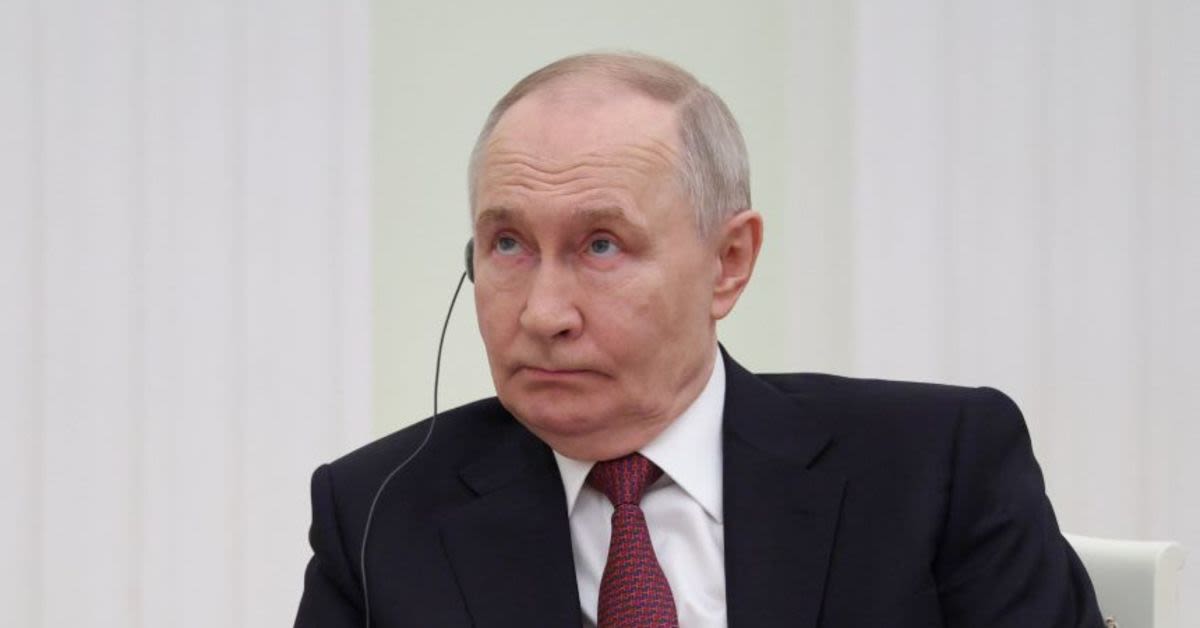
In a sign of how seriously the Kremlin is treating the process, Putin held marathon overnight talks with Witkoff and Kushner just hours before the three-way negotiations began Friday. Moscow continues to insist that any peace deal must include a withdrawal of Ukrainian forces from eastern territories that Russia claims to have annexed, despite those moves being rejected by Kyiv and most of the international community as illegal.
The second day of discussions unfolded against the backdrop of fresh Russian strikes on Ukrainian cities, a reminder that the wars violence has not abated even as diplomats search for a formula to stop it. Russian drone attacks killed one person and wounded four in the capital, Kyiv, according to Kyiv City Military Administration head Tymur Tkachenko, while in Kharkiv, Ukraines second-largest city, similar attacks wounded 27 people, regional head Oleh Syniehubov said Saturday.
Ukrainian officials accused Putin of deliberately escalating while the peace track was gaining traction, casting the missile and drone barrage as an attempt to intimidate Kyiv and test Western resolve.
Cynically, Putin ordered a brutal massive missile strike against Ukraine right while delegations are meeting in Abu Dhabi to advance the America-led peace process, Ukrainian Foreign Minister Andrii Sybiha wrote on X, adding, His missiles hit not only our people, but also the negotiation table.
For conservatives who have long argued that peace must be pursued from a position of strength, the Abu Dhabi talks highlight both the promise and the peril of engaging with a regime that continues to bomb civilians even as it negotiates. The emerging framework, with its emphasis on American monitoring, equitable energy sharing and phased steps toward a ceasefire, will test whether Western-backed diplomacy can secure a just settlement without rewarding aggression or undermining national sovereignty.
Login