
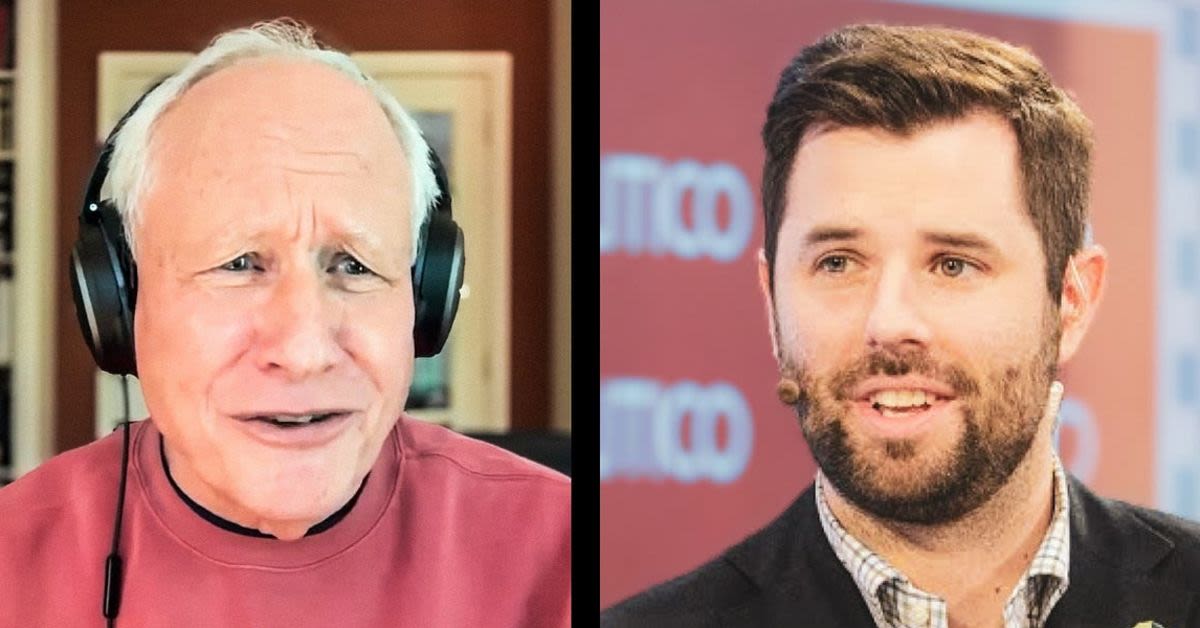
A senior aide from Kamala Harris failed presidential bid has offered a polished postmortem on why Democrats lost in 2024, but his explanation neatly sidesteps the real verdict delivered by voters.
According to The Gateway Pundit, Rob Flaherty, who served as Harris deputy campaign manager, appeared on MSNOW after penning a piece lamenting that Democrats had tactics, ads, creators, social media moments, and viral content, but lacked a coherent brand. He framed the defeat as a marketing failure, a problem of labels and logos rather than of substance and priorities.
Inside the Beltway, that kind of diagnosis passes for deep strategic thinking, but outside the consultant bubble, the answer is far more straightforward. The American people rejected a campaign that seemed detached from their daily struggles, fixated on left-wing social causes, and incapable of speaking in the plain, direct language that resonates beyond elite circles.
Democrats are now working overtime to recast Harris loss as a branding malfunction, as if a new slogan or color scheme could have saved the ticket. It was not a branding problem; Harris had a brand, and the problem was precisely what that brand stood for.
Her political identity was built on DEI orthodoxy and identity politics, a worldview that insists Americans should evaluate candidates, policies, schools, businesses, and government primarily through the lenses of race, gender, and sexuality. Her message mirrored the modern Democrat Partys fixation on appeasing a small, hyper-online activist class while sidelining the everyday concerns of working families.
That is why the Trump campaigns blunt contrast Kamala is for they/them, President Trump is for you landed with such force. It did not resonate because voters were obsessed with a single cultural flashpoint; it resonated because it distilled what millions already sensed about Harris and her party.
The ad captured a broader perception: Harris was focused on the wrong people, the wrong priorities, and, in many ways, the wrong country. Voters saw a campaign more interested in symbolic virtue-signaling than in restoring order at the border, taming inflation, or making neighborhoods safer.
On MSNOW, Flaherty insisted that the deeper issue was not any one ad but the absence of a strong, unified Democrat brand. Yet this line of argument again misses the central point: Democrats did not lose because voters failed to grasp who they were; they lost because voters understood them all too well.
Americans watched Democrats defend radical gender ideology, push DEI mandates into classrooms and corporate HR departments, champion soft-on-crime policies, and sneer at citizens worried about groceries, gas, inflation, immigration, and public safety. They saw a party that treated their concerns as backward or bigoted rather than legitimate and urgent.
By contrast, President Trump ran as the common-sense candidate, speaking in terms that did not require a policy seminar to decode. He talked about the border, the economy, crime, and the principle that America should put its own citizens first.
That straightforward agenda allowed Trump to connect with voters Harris was supposed to have in her column from the start. Latino voters, young voters, and working-class voters drifted away from Democrats as the party increasingly sounded less like a political movement and more like a faculty lounge seminar.
The MSNOW segment also touched on the Democrat National Committees post-election autopsy, which was billed as a candid assessment of what went wrong. DNC Chair Ken Martin had previously suggested the findings would be made public, but party leaders have since retreated from full transparency.
That retreat speaks volumes to ordinary Americans. Democrats insist they want answers, but only so long as those answers do not expose just how radical and out of touch the party has become on culture, crime, and the economy.
An honest report would be brief: Harris lost because she was a weak candidate tethered to an unpopular administration, a broken border, rising costs, and a cultural agenda most Americans never requested and do not support. Instead, the left will continue to blame messaging, branding, consultants, and strategy, clinging to the fiction that voters simply misunderstood them.
The reality is that voters knew exactly what Kamala Harris represented and they rejected it, choosing instead a platform that promised order over chaos, prosperity over managed decline, and a government that serves citizens rather than lectures them.
Login