
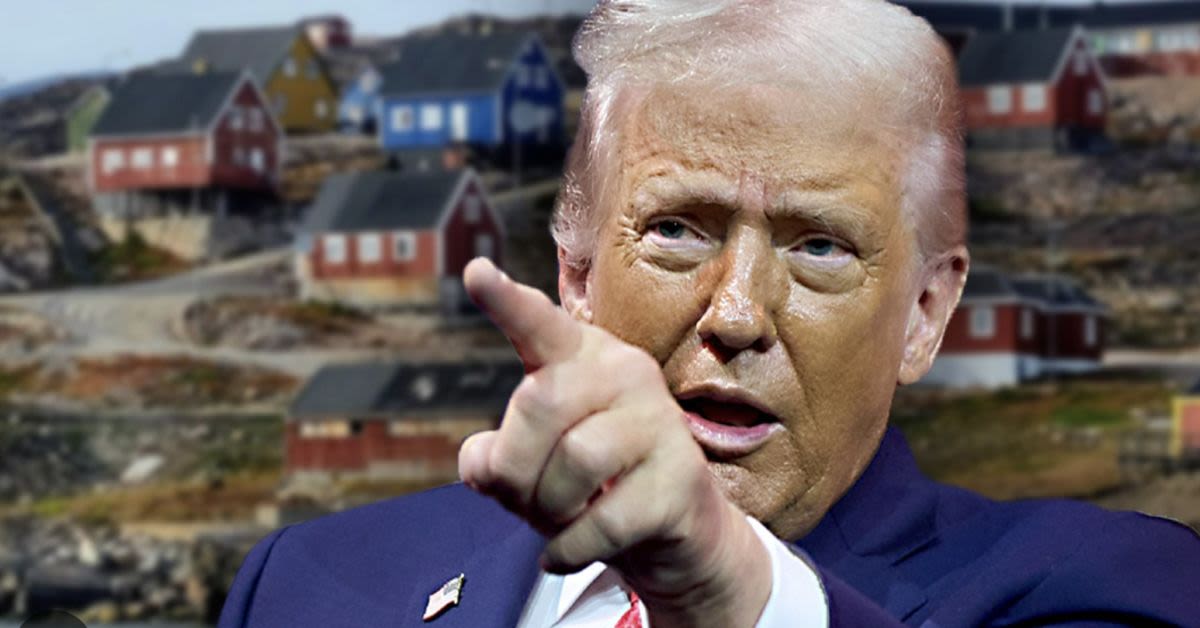
Greenlands caretaker leader is confronting Washingtons strategic ambitions in the Arctic just as political upheaval in Copenhagen has weakened Denmarks hand.
According to Gateway Pundit, Danish caretaker Prime Minister Mette Frederiksen has forfeited the opportunity to forge a new governing coalition after steering the Social Democrats to the worst electoral performance in the partys history. Her political ally, Greenland Prime Minister Jens-Frederik Nielsen, is now left to manage delicate talks with the United States over President Donald J. Trumps long-standing interest in the resource-rich island, a semi-autonomous territory under Danish sovereignty.
Today, Nielsen acknowledged that an expanded American military footprint in Greenland is on the table as part of confidential negotiations with Washington. Reuters reported: From the beginning, one of the issues has been that they dont think we do enough in terms of national security and surveillance in our region, so security and more military presence in Greenland is part of the discussions, Greenland Prime Minister Jens-Frederik Nielsen told reporters in Copenhagen.
Seeking to defuse tensions, Greenland, Denmark and the United States earlier this year agreed to launch high-level diplomatic talks to address the dispute, though officials have yet to disclose any concrete outcome. The BBC on Tuesday reported that U.S. officials in the talks had signaled they aim to open three new bases in southern Greenland, with one source saying Washington had floated designating the facilities as U.S. sovereign territory.
Nielsen, who must balance local autonomy with Western security interests, emphasized that existing defense arrangements already allow for a stronger U.S. role. Right now, we have a defense agreement with the United States where its already possible to have more bases, Nielsen said, adding that the existing defense framework was one possible basis for any expansion but that other arrangements could be explored. For conservatives who see a robust American presence as vital to countering Russian and Chinese advances in the Arctic, the question is not whether the United States should deepen its role in Greenland, but how quickly leaders in Copenhagen and Nuuk will move to embrace that strategic reality.
Login